“Mind Acupuncture Awakens the inner flow of life, untangles emotions and thoughts, restores deep peace within and brings forth remarkable physical transformation”
Introduction to Mind Acupuncture- Free Webinar
A Meridian-Based Approach to Emotional & Psychosomatic Health
2+ hour Free webinar
Presented by
Dr. Junghwan Lee (KMD)
President of the Society of SaAm Acupuncture
President of the Association of Mind Acupuncture
Broadcasted via Zoom from Seoul, South Korea (ROK) and hosted in Sydney, Australia on:
SYDNEY, Australia – Sunday 26th July, 2026 (AEST) – 9:00 AM – 11:00 AM
SEOUL, Korea – Sunday 26th July, 2026 (KST) – 8:00 AM – 10:00 AM
NEW YORK, USA – Saturday 25th July, 2026 (EDT) – 7:00 PM – 9:00 PM
LOS ANGELES, USA – Saturday 25th July, 2026 (PDT) – 4:00 PM – 6:00 PM
AUCKLAND, New Zealand – Sunday 26th July, 2026 (NZST) – 11:00 AM – 1:00 PM
BRISBANE, Australia – Sunday 26th July, 2026 (AEST) – 9:00 AM – 11:00 AM
MELBOURNE, Australia – Sunday 26th July, 2026 (AEST) – 9:00 AM – 11:00 AM
ADELAIDE, Australia – Sunday 26th July, 2026 (ACST) – 8:30 AM – 10:30 AM
PERTH, Australia – Sunday 26th July, 2026 (AWST) – 7:00 AM – 9:00 AM
In July, 2026, Qiology will be hosting international presenter, Dr. Junghwan Lee (KMD), for an introductory webinar on Mind Acupuncture.
This session is being offered in advance of the inaugural complete training program of this system in Australia (being held in November 2026), providing practitioners with an opportunity to gain an initial understanding and gather insights of the system prior to undertaking the full certification program. Attendees will also learn and be able to apply concepts practically in their clinic upon completion of this webinar.
What You Will Learn
- Core principles of Mind Acupuncture
- The relationship between Qi and emotional states
- Introduction to SaAm Acupuncture
- Practical insights for clinical application
- Observation of the clinical process through clinical and treatment demonstration videos
- Some unique and powerful foundational methods from Mind Acupuncture that you can apply instantly in your clinical practice after completing the webinar
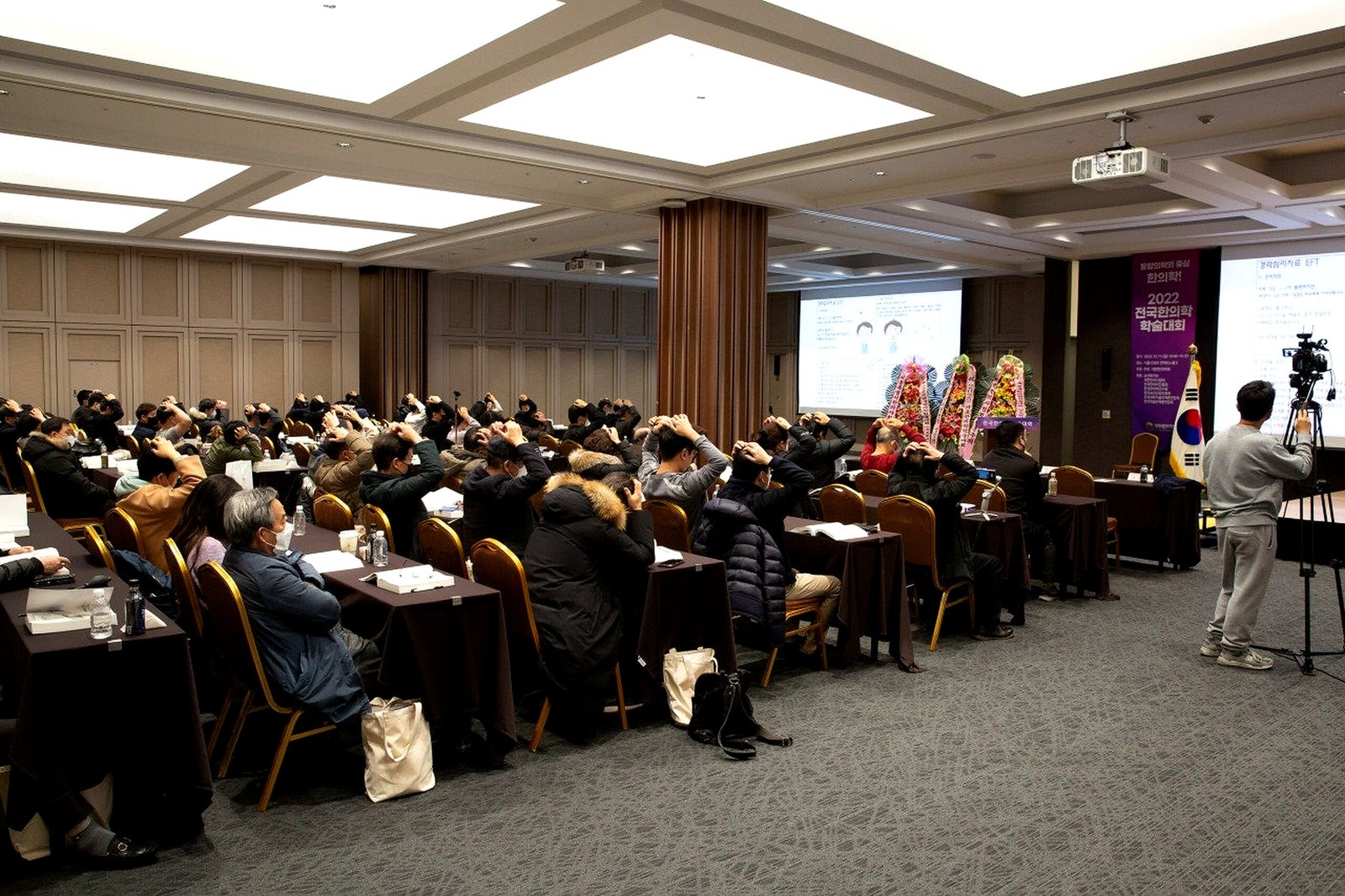
- Interactive practical exercises from Mind Acupuncture that all attendees can join in with and experience during the webinar
This webinar provides a clear and structured introduction to a clinically grounded system,
offering both conceptual understanding and practical insight for application in clinical practice.
This webinar provides a balance of theory, with presentation, demonstrations and practical experiential exercises.
What is Mind Acupuncture?
Mind Acupuncture is a meridian-based psychotherapy that combines Korean traditional SaAm Acupuncture with concepts from both Eastern and Western psychology. This approach is based on the principle that Qi (energy) creates emotions and thoughts, and through regulation of the meridian system, the practitioner is able to influence and transform patterns of emotion and cognition.
This system has been introduced at Oxford University as “New Traditional Acupuncture,” representing the development of a new field in psychotherapy through the integration of classical acupuncture systems with modern psychological understanding.
Clinically, Mind Acupuncture offers a structured and practical framework for addressing both emotional and psychosomatic conditions.
Key Features
- Easy to learn and capable of producing immediate clinical results
- Ability to transform specific emotions and thought patterns in real time
- Effective in reducing negative emotional states and maladaptive thinking
- Supports the amplification of positive emotional and cognitive states
- Facilitates the resolution of unconscious conflicts through bringing them into awareness
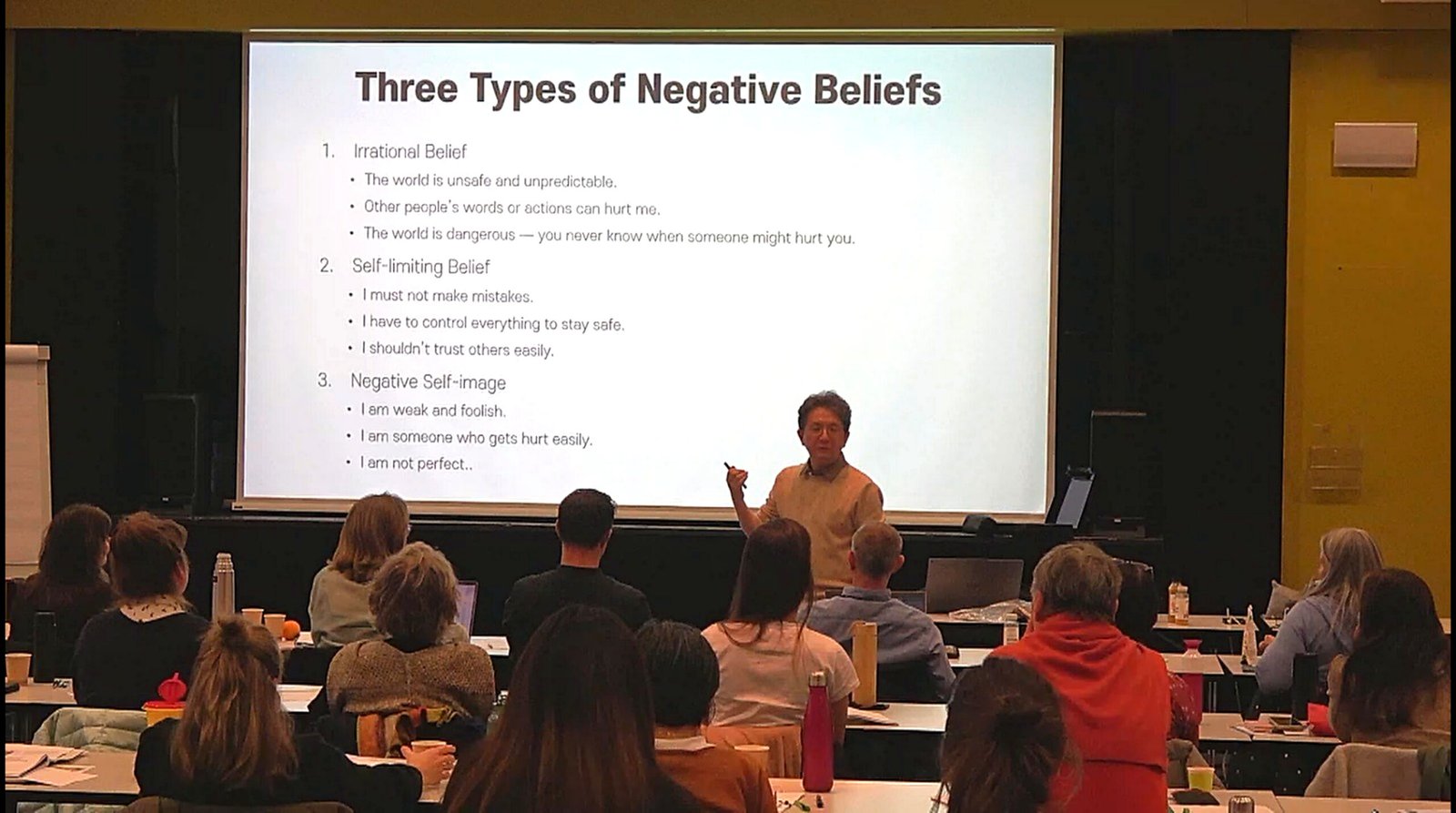
An Integrative Korean Medicine Solution
Combining Acupuncture and Psychological Healing.
A Traditional Korean Medicine–Based Psychotherapy
Restoring the Integrated Balance of Body and Mind
What is SaAm Acupuncture?
SaAm Acupuncture is a classical Korean acupuncture system that is widely regarded as one of the most refined and clinically effective approaches within East Asian medicine. Developed by the Buddhist monk SaAm during the Joseon Dynasty, this system is based on a deep application of Five Element theory, utilising the Five Transport Points to regulate the internal balance of the organ systems through precise and elegant treatment strategies.
At its core, SaAm Acupuncture emphasises the dynamic regulation of Qi through the meridian system, allowing the practitioner to influence physiological, emotional, and psychological states through targeted point combinations. The system is both highly structured and adaptable, offering practitioners a clear framework for diagnosis and treatment, while allowing for a depth of clinical interpretation based on the presentation of the individual patient.
One of the defining characteristics of SaAm Acupuncture is its ability to create significant clinical change through relatively simple yet highly intentional point prescriptions. Through the careful application of tonification and sedation principles, the practitioner is able to restore balance within the internal systems of the body, often resulting in both immediate and sustained therapeutic effects.
The SaAm system of treatment provides the substance, structure, and classical foundation for the development of Mind Acupuncture, offering a robust clinical framework upon which modern psychotherapeutic concepts can be integrated and applied.
Presenter
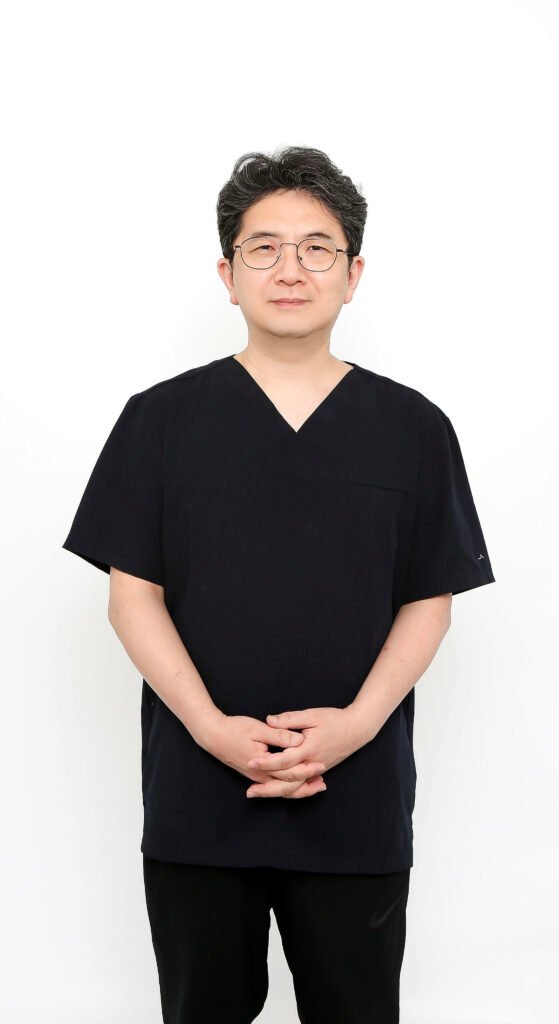
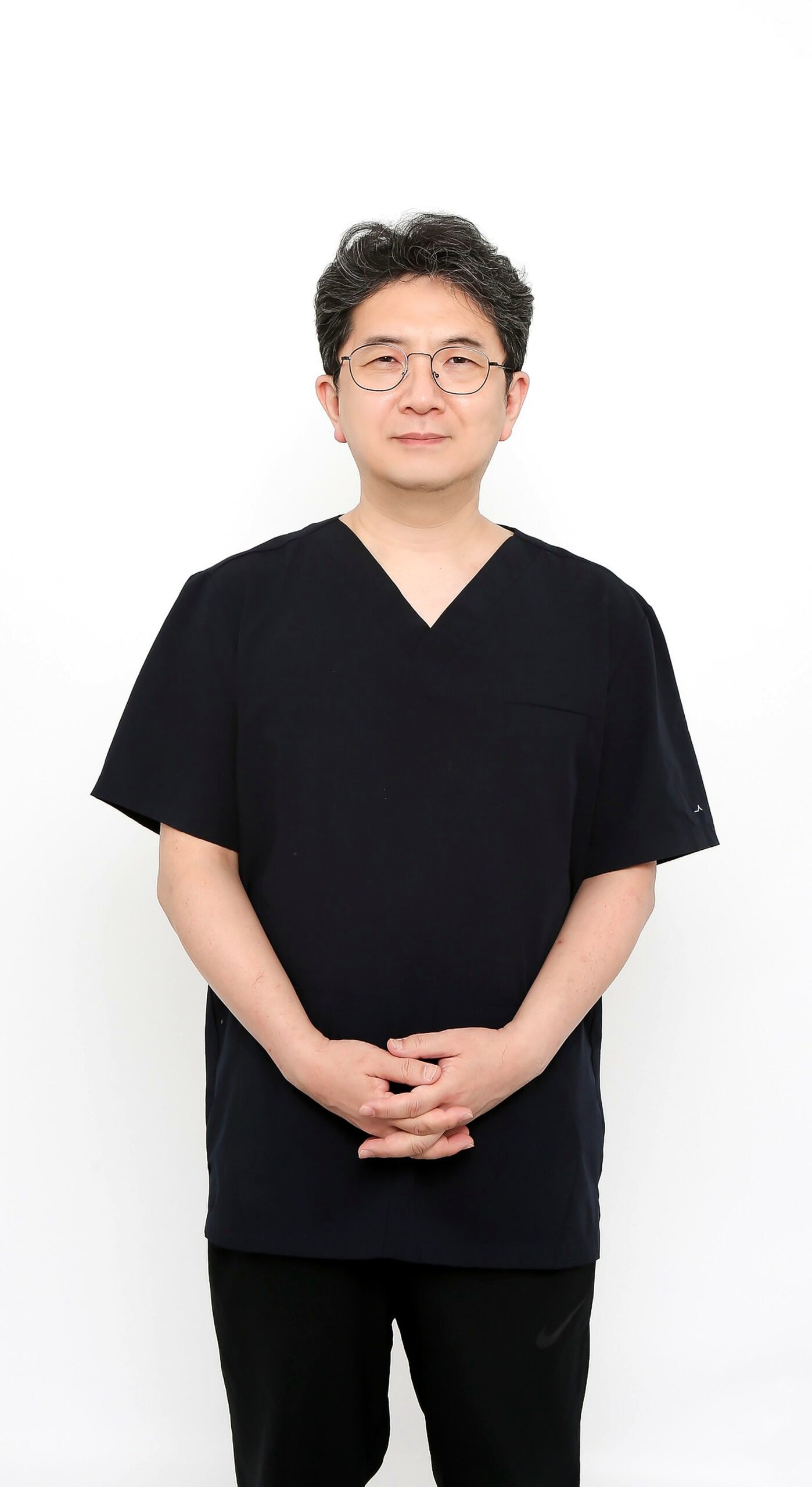
Dr. Junghwan Lee (KMD)
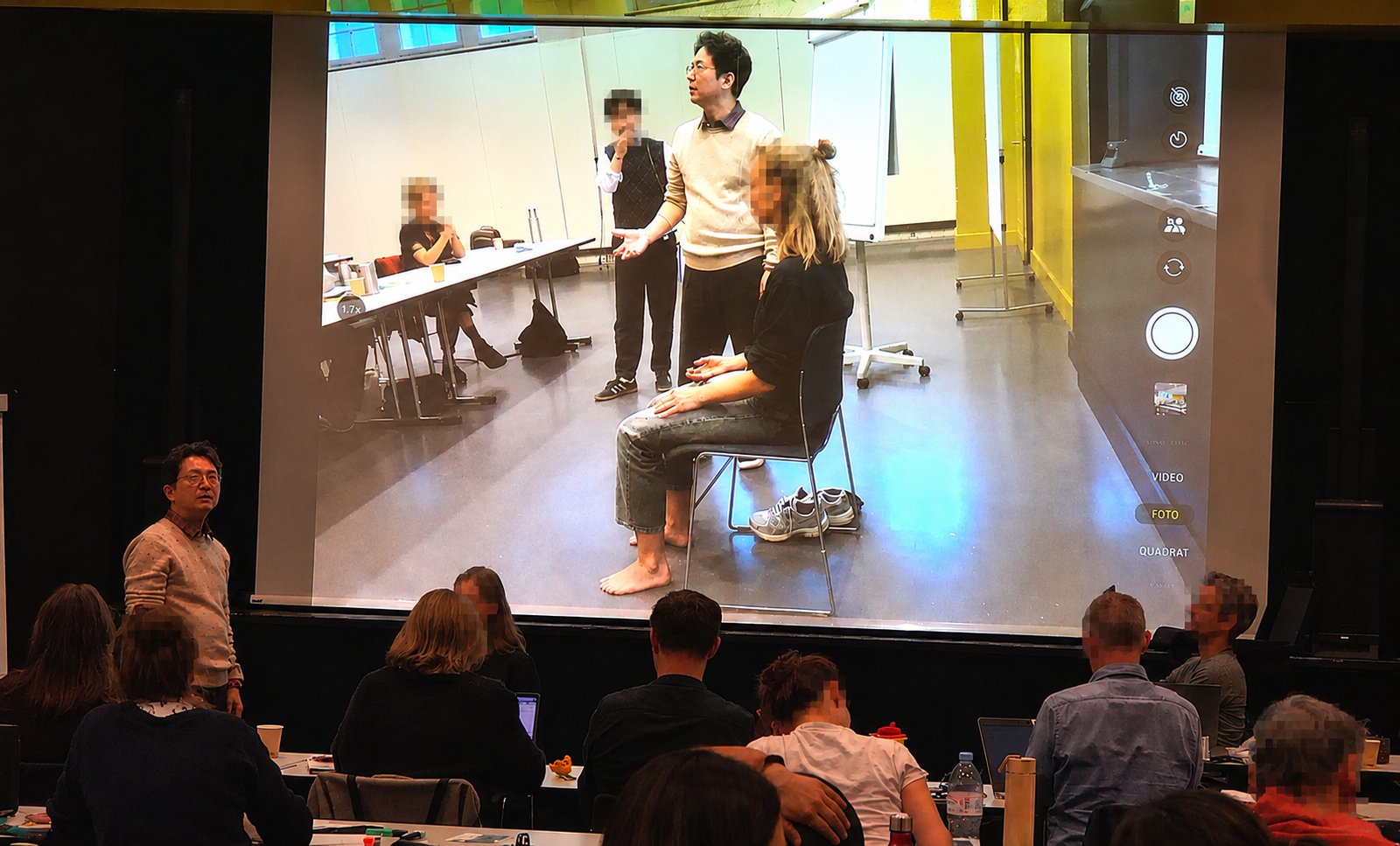
Dr. Junghwan Lee is the developer of Mind Acupuncture. His method has gained recognition across Korea, China, Japan, Europe, and the United States, where clinicians and researchers have observed its immediate and fundamental clinical effectiveness.
With nearly 30 years of clinical practice and research in SaAm Acupuncture, and over 20 years of research in Oriental psychiatry and meridian-based psychotherapy, Dr. Lee has dedicated his career to integrating traditional acupuncture systems with both Eastern and Western psychological frameworks.
He is a Korean Medicine Doctor (KMD) and operates his own clinic in Seoul, South Korea.
Dr. Lee holds a Doctoral Degree in Oriental Neuropsychiatry, and his primary areas of expertise include SaAm Acupuncture and Meridian-Based Psychotherapy.
He is currently serving as:
- President of the Society of SaAm Acupuncture
- President of the Association of Mind Acupuncture
He is actively involved in clinical practice, research, and international teaching, and is committed to bringing SaAm Acupuncture and Mind Acupuncture to practitioners worldwide.
Dr. Junghwan Lee (KMD)
Research & Publications by Dr Lee:
- A Preliminary study for the evaluation of the effects of EFT-I (EFT program for insomnia) for insomnia in the elderly. J. of Oriental Neuropsychiatry 2011.
- A Randomized Control Trial for the evaluation of the effects of EFT-Insomnia (EFT-I) for the elderly. The master’s thesis. 2013.
- A Comparison of Emotional Freedom Techniques– Insomnia (EFT-I) and Sleep Hygiene Education (SHE) for Insomnia in a Geriatric Population: A Randomized Controlled Trial. Energy psychology journal. 2015.
- Anxiety and Anger Symptoms in Hwabyung Patients Improved More following 4 Weeks of the Emotional Freedom Technique Program Compared to the Progressive Muscle Relaxation Program: A Randomized Controlled Trial. Evidence based Complementary and Alternative Medicine. 2015.
- A Qualitative Case Study Research of Application of Saam Five Element Acupuncture in Psychiatry – the Field Study of a Clinic-. J of Oriental Neuropsychiatry. 2018.
- A Study on Use of Psychotherapy and Korean Medicine for Eastern Philosophy -Focus on Diagram Theory of InShimDoShim of Yulgok. J of Oriental Neuropsychiatry. 2018.
- The development of Saam psychotherapy based on the Neo-Confucian psychology of Yulgok. The Doctoral Thesis. 2019.
- The Development of the Korean Medicine Cognitive Process Based on Neo-Confucianism. The Journal of Saam Acupuncture 2019.
- A Study on the Structuralization of Mind and Body Relationships Incorporating Neo-Confucianism and Korean Medicine. The Journal of Saam Acupuncture 2020.
- A Comparative Study on the Psychology of Korean Medicine based on Neo-Confucianism and the Satir Transformational Systemic Therapy. The Journal of Saam Acupuncture 2021.
- Clinical Cases in Which Images of Emotions and Thoughts Change after Saam Acupuncture – Focusing on the Projective Test and the Brain’s Self-regulation Process -. The Journal of Saam Acupuncture 2022.
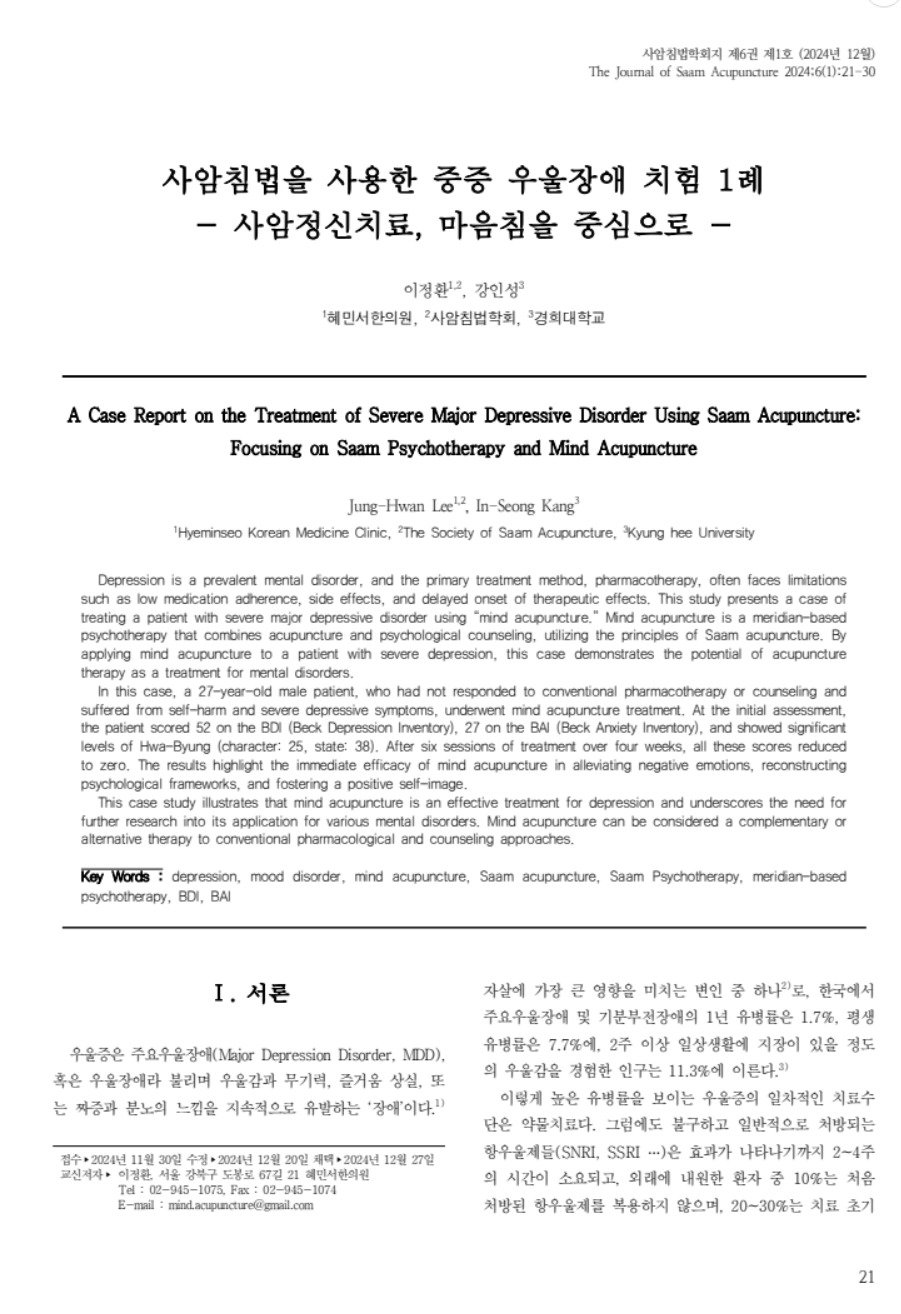
- A Case Report on the Treatment of Severe Major Depressive Disorder Using Saam Acupuncture: Focusing on Saam Psychotherapy and Mind Acupuncture. The Journal of Saam Acupuncture 2024.
“Dr Lee is a world class presenter, who is not only excellent and passionate in his teaching style and his ability to transmit his methods, but cares deeply about the development of his students, and is approachable and personable in his teaching style, making the learning environment inclusive, safe and enjoyable at all times whilst learning this fascinating and clinically effective style of treatment.”
This webinar provides a clear and structured introduction to a clinically grounded system,
offering both conceptual understanding and practical insight for application in clinical practice.
” The flow of the mind is the flow of the body.”
Commence the journey of reconnecting your body and mind
with Mind Acupuncture.
For information and the full curriculum on the
inaugural training of complete program of Mind Acupuncture
in Australia in November 2026
For an introduction on Mind Acupuncture by the Creator/Founder of Mind Acupuncture:
Dr. Junghwan Lee (KMD), Please view our video below:
To view Scholarly articles by by the Creator/Founder of Mind Acupuncture:
Dr. Junghwan Lee (KMD), Please click our links below:
A Qualitative Case Study Research of Application of Saam Five Element Acupuncture in Psychiatry
Ontology and Acupuncture East Asian Analogism and an Emerging Acupuncture Method in South Korea
View some abstracts by the Creator/Founder of Mind Acupuncture:
Mind Acupuncture and SAAM Acupuncture for Major Depressive Disorder
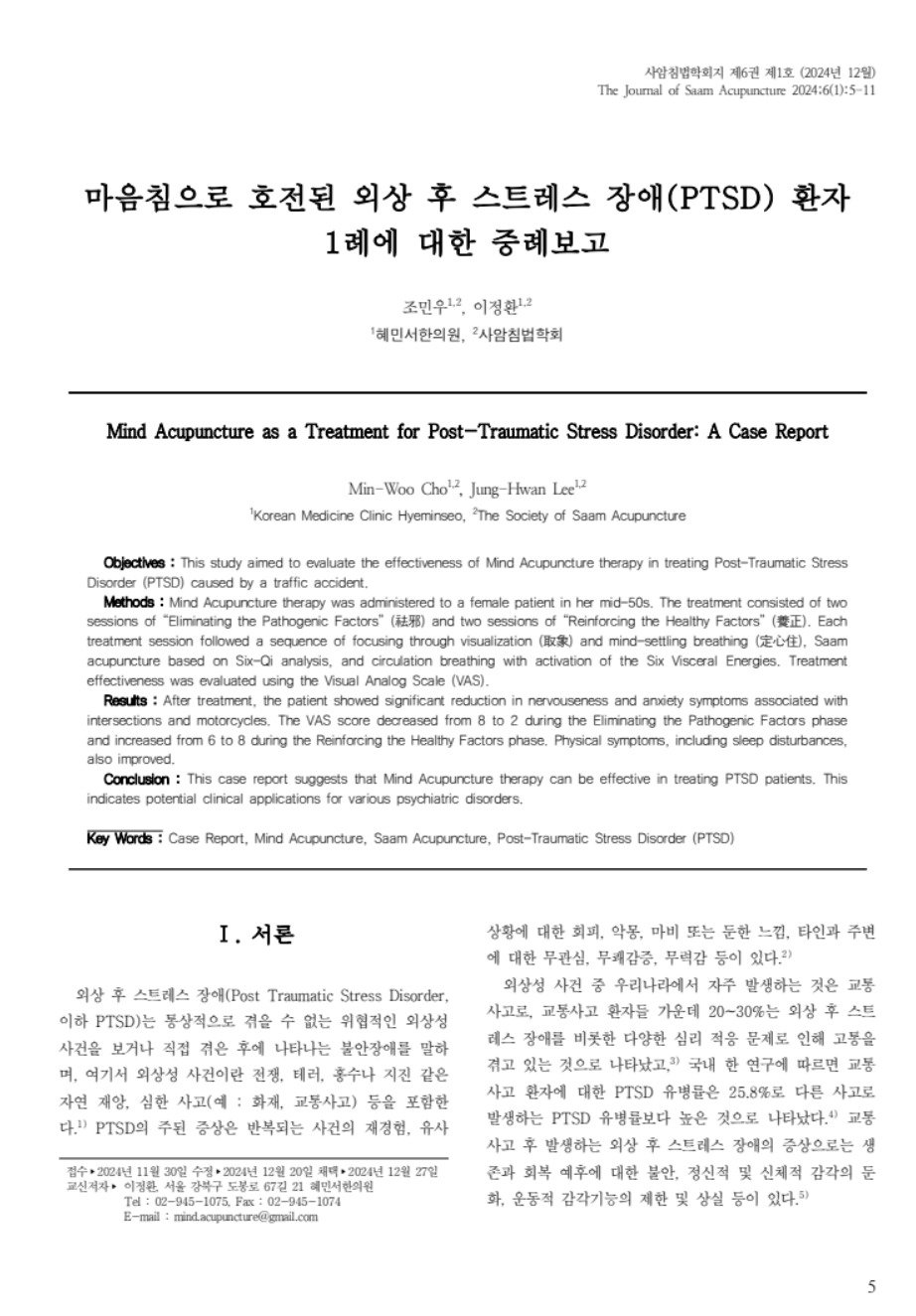
Mind Acupuncture for PTSD
Qiology Q + A on Mind Acupuncture, with the founder/creator: Dr. Junghwan Lee (KMD)
(Qiology = Q | Dr. Junghwan Lee (KMD) = A)
Q:
What is Mind Acupuncture?
A:
Mind Acupuncture is an integrative therapeutic approach that combines the meridian principles of SaAm acupuncture with the insights of psychotherapy.
It directly addresses the interaction between the mind and Qi (vital energy),
untangling the interwoven patterns of emotion, thought, and physical symptoms,
and restoring the natural circulation between body and mind.
Mind Acupuncture is not merely the insertion of needles —
it is a process of giving form to emotions and pain through imagery,
and awakening the hidden positive desires and vital energy within.
Through this process, patients become aware of their inner world,
experience real changes in their emotions,
and regain both physical resilience and inner peace.
How does Mind Acupuncture Work?
Mind Acupuncture works by restoring the natural communication between the mind and the meridian system.
When emotions are suppressed or thoughts become rigid, the flow of Qi (vital energy) is disrupted.
This imbalance leads to tension, pain, and emotional distress.
The therapeutic process of Mind Acupuncture unfolds through five interconnected techniques:
Qi-Transformation & Metaphor, Jungsimjoo, Qi Circulation Breathing, Acupressure of Opening Six Organs, Basic Circulation Acupuncture and Saam Acupuncture.
Each step gently releases blockages, stabilizes the mind, and restores the flow of energy through the body.
By awakening awareness of Qi and transforming emotional energy,
patients experience both mental calmness and physical relief.
The process allows them to reconnect with their inner vitality—
healing not only the symptoms, but the root patterns that created them.
What is the Treatment Process?
A:
The therapeutic structure of Mind Acupuncture clarifies the target — emotions or pain — strengthens the meridian system, and connects the two to restore the circulation of Qi.Depending on the therapeutic goal, Mind Acupuncture unfolds in two complementary directions.The Geosa process focuses on releasing negative emotions and pain.
By recognizing and dissolving suppressed emotions, the patient clears stagnant energy and restores emotional stability and inner freedom.
It is a process of cleansing — letting go of the tension that clouds the mind and body.The Yangjeong process nurtures and expands positive Qi.
It strengthens healthy emotions such as peace, gratitude, and compassion, allowing this energy to fill the whole system with balance and vitality.Through this process, patients rediscover meaning and direction in their lives.
Q:
What makes Mind Acupuncture unique in comparison to other systems of treatment?
A:
Mind Acupuncture is more than a treatment — it is a new paradigm of healing.
It recognizes that emotions, thoughts, and physical sensations are interconnected movements of Qi, and works directly with this flow to create immediate psychological and physical change.
Even within a single session, patients often experience deep relaxation, calmer breathing, emotional release, and reduced pain.
This is not merely a psychological effect, but a physiological rebalancing in which both the meridian system and the emotional brain are harmonized.
Moreover, Mind Acupuncture is a shared journey of growth for both practitioner and patient.
As the patient reconnects with their inner vitality, the practitioner also deepens their awareness of life’s energy and compassion.
Healing becomes a meeting — a process of awakening on both sides.
Ultimately, Mind Acupuncture offers a vision of medicine that restores balance not only in the body and mind, but in the very way we live and relate to the world.
Join the Mind Acupuncture Community!
“Mind Acupuncture is, at its heart, a practice of balance —
a path to rediscover the harmony of body, mind, and life itself.”
An Interview on Mind Acupuncture with Dr Andreas Brüch
from Munich, Germany. Long term practitioner of SaAm Acupuncture
and student/clinical observer/practitioner of Dr Lee’s Mind Acupuncture
Transcript of the Interview on Mind Acupuncture with Dr. Brüch from Germany
Please, introduce yourself briefly.
Yes, I’m Andreas Brüch from Germany, and I run an acupuncture clinic in a suburb close to the city of Munich. I have this clinic for 18 years now, and I am practicing SaAm acupuncture since 2010. So I have about 16 years’ experience using SaAm acupuncture.Interviewer:
And… speak about Mind Acupuncture.Dr. Andreas Brüch:
When I first learned Chinese medicine and started using TCM in my clinic, and I also learned Sujichim and Japanese acupuncture style Meridian therapy, I kind of first mixed these things. And later, I got introduced to SaAm acupuncture and switched to mainly using this method.Before I became an acupuncturist, I actually was trained as a psychologist. So I have a Ph.D. in psychology. And my original task when using acupuncture, or Oriental medicine, I wanted to combine my psychological profile with acupuncture. I was already searching—already before I got to know Mind Acupuncture—for some method how I can combine psychological aspects in my treatment with Oriental or Asian medicine.I originally tried to do this using Chinese medicine, TCM, but actually I gave up because I found the theory and the explanations how you can use acupuncture to treat mind or emotion-related conditions and diseases, I found much too complicated. Because you have to know so many things and you have to study so deeply Asian philosophy, Taoism, Confucianism, and know all the theory. So actually I gave up because I found it too complicated.And later, when I learned SaAm acupuncture, I found there is in Kim Hong-kyung’s theory, there is this theory of mind. And I found this is already a very systematic and good tool, how Kim Hong-kyung relates the meridians to the different kinds of feelings. And I used this with some patients to treat their mental-emotional problem.
And so I was very surprised when I was introduced to Dr. Lee to learn that there is somebody specializing in emotional problems. And somebody has developed a systematic, step-wise method how we can combine acupuncture with communication—talking to the patient—in order to treat emotional problems. Yeah, so in general, I find this very interesting and helpful and a very good method.
And what I like especially about SaAm acupuncture in general, and also Mind Acupuncture: it’s systematic. There is a logic and there is a system. And I think Germans like order and system. So I am very much drawn to this kind of method.
Interviewer:
Your experience in your clinic?
Dr. Andreas Brüch:
Mind acupuncture? Yes. I have very good experiences. More often I treat patients with normal acupuncture or SaAm acupuncture, but I think in the last two years, I had an average of three to four treatments with Mind Acupuncture in every week. So quite some patients. And I have very good experience. Some patients really have a very dramatic change—not only in their physical symptoms, but in their thinking and in their emotions. So in that sense, I think it’s very… I have a very positive and good experience.
Interviewer:
Thank you. Specific questions. One, two, three, four, five, six, seven, eight. Some questions overlap with what you have already said, but please answer them again, even if the content is repeated. Yes. Number one.
Dr. Andreas Brüch:
What was your first impression when you encountered Mind Acupuncture?
Frankly speaking, I was a little bit curious and suspicious if it’s nonsense or if it’s a really good method. Because if I encounter something new, in general, first I want to test it in a critical way and see, is it really useful or is it nonsense? So at first when I met you, I was a little bit suspicious if this is just somebody made up some quick-fix method and it’s not working, or is it something serious? So I was suspicious. But I understood very quickly that this is a very serious and good acupuncture method, and very systematic. Yes. I think question number one.
Interviewer:
Question number two.
Dr. Andreas Brüch:
Number two: Compared with traditional SaAm Acupuncture or other forms of acupuncture treatment, what do you think is special about Mind Acupuncture?
Let’s divide this question into two questions. One is other forms of acupuncture treatment. And second, SaAm acupuncture.
As I said, in my experience with other forms of acupuncture, always in textbook and in my training, they said, “Yes, we can treat the emotions.” But it was never explained how you will do it. How can you diagnose it, and how can you really focus on the emotions or the mind or the Shen? So in that sense, Mind Acupuncture clearly explains what you have to do to treat the mind, and how you can go step-by-step to do this. So I think this is a big difference.
And compared to traditional SaAm acupuncture, Mind Acupuncture, in my impression, is combining certain parts of Western psychology and Western psychotherapy with acupuncture. So in that sense, it is quite different from SaAm acupuncture because we talk more with the patient, and we talk specifically about their inner emotions and their feelings and their emotional burden or problems in detail. So that is different from, of course, normal SaAm acupuncture.
And I already said this before to you, Dr. Lee: what I find very intriguing about Mind Acupuncture is that it is using one basic principle of Western psychotherapy. That in many cases, not the therapist is telling in psychotherapy the patient, “You need this and that, and you have to do this and that to have a better life.” But we ask the patient, “What do you need?” And Mind Acupuncture is the same. By creating the positive Qi transformation, the patient creates by themselves what do they need emotionally to improve. And I think this is just fantastic, because it hands over to the patient responsibility, and they can use their own creativity and their own idea what they need. I think the patient probably knows better what they need than the therapist knows in that sense. So I think this is… I am very impressed with this general principle.
Interviewer:
Number three.
Dr. Andreas Brüch:
Number three: While observing Mind Acupuncture treatments in Korea, what was the most impressive experience for you?
Interviewer:
This week.
Dr. Andreas Brüch:
This week, yeah, sure. First I felt—I saw two cases, right? First I felt that at least one of those cases is a really serious problem. And it is impressive that you can treat a serious psychological condition with this method. And obviously, there is a change that happens very fast. I mean, after treatment, it seems like that the emotional change is happening very fast.
But also I think, your treatment is… you have a lot of experience, and the time you need while talking to the patient to start to initiate the change is quite short actually compared to myself. So I think it was like about 20 minutes, half an hour. If I do Mind Acupuncture, it needs one full hour to talk to the patient and to structure everything and then treat with the needles and acupuncture.
Interviewer:
Number four.
Dr. Andreas Brüch:
In your opinion, what is the greatest strength of Mind Acupuncture?
I mean, besides of treating the mind itself, I think it is a step-wise logical program. And that is good. And also second strength, as I said: the patient will tell what they need for their better emotions.
Interviewer:
Number five.
Dr. Andreas Brüch:
What do you think about the way Mind Acupuncture works with both the patient’s emotions and physical symptoms together?
That at the moment is a little bit hard for me to judge because I don’t have so many experiences made myself now treating patients with Mind Acupuncture with a focus on both mental-emotional problem and physical problem. So I actually cannot judge so well.
But the few experiences I have, I am treating the mind, and the emotional symptoms improved a lot. For example, somebody having anxiety disorder and digestive problem, then the digestive problem also improved. Or somebody else has a general emotional burden, and she understood her problem and she changed her emotions, physical symptoms improved a lot. In that case, I treated somebody with a migraine, skin disease, and neck pain also. In my experience, yes.
Interviewer:
Number six. How do you think Mind Acupuncture could be helpful for acupuncturists and therapists in Europe?
Dr. Andreas Brüch:
Yes, a lot. Because we have a system to treat the mind. I think it’s good.
Interviewer:
Number seven. What would you like to say to practitioners who are interested in learning Mind Acupuncture?
Dr. Andreas Brüch:
Yeah, I think it’s good to learn it, of course. But to fully understand it, you also have to understand basics of SaAm acupuncture. I think this is a prerogative—it’s a condition to understand basic SaAm acupuncture first. Or also. Because it’s SaAm acupuncture; it’s not another style.
Interviewer:
Number eight. If you had to describe Mind Acupuncture in one sentence, what would you say?
Dr. Andreas Brüch:
It’s a short-term Oriental medicine acupuncture psychotherapy.
Interviewer:
Okay.
Dr. Andreas Brüch:
Okay. Good. Great. Thank you.
Interviewer:
Thank you. Thank you very much.