Recorded Webinar (Free) Introduction
Work on your KMS Foundations!
In November 2025, Qiology conducted a free international webinar with Vidhya “V” Rojanavongse, esteemed Acupuncturist and teaching assistant of Master Acupuncturist Kiiko Matsumoto.
This webinar was recorded and is now available for free access, and is for acupuncturists interested in learning, or those already practicing the Kiiko Matsumoto Style of Acupuncture:
Kiiko Matsumoto Style Acupuncture: the power of palpation and creating change – Free Recorded Webinar
During this recorded webinar, which is suitable for those new to the style, as well as beginners, intermediate and advanced KMS practitioners, V took us through several important foundations of KMS acupuncture, and provided us with some clinical pearls from KMS that will allow us to apply these principles in clinic instantly for next level results.
In this short but sweet and pragmatic webinar, V will cover:
- An Introduction to KMS and essential skills in KMS
- Core concepts: The power of palpation and creating change
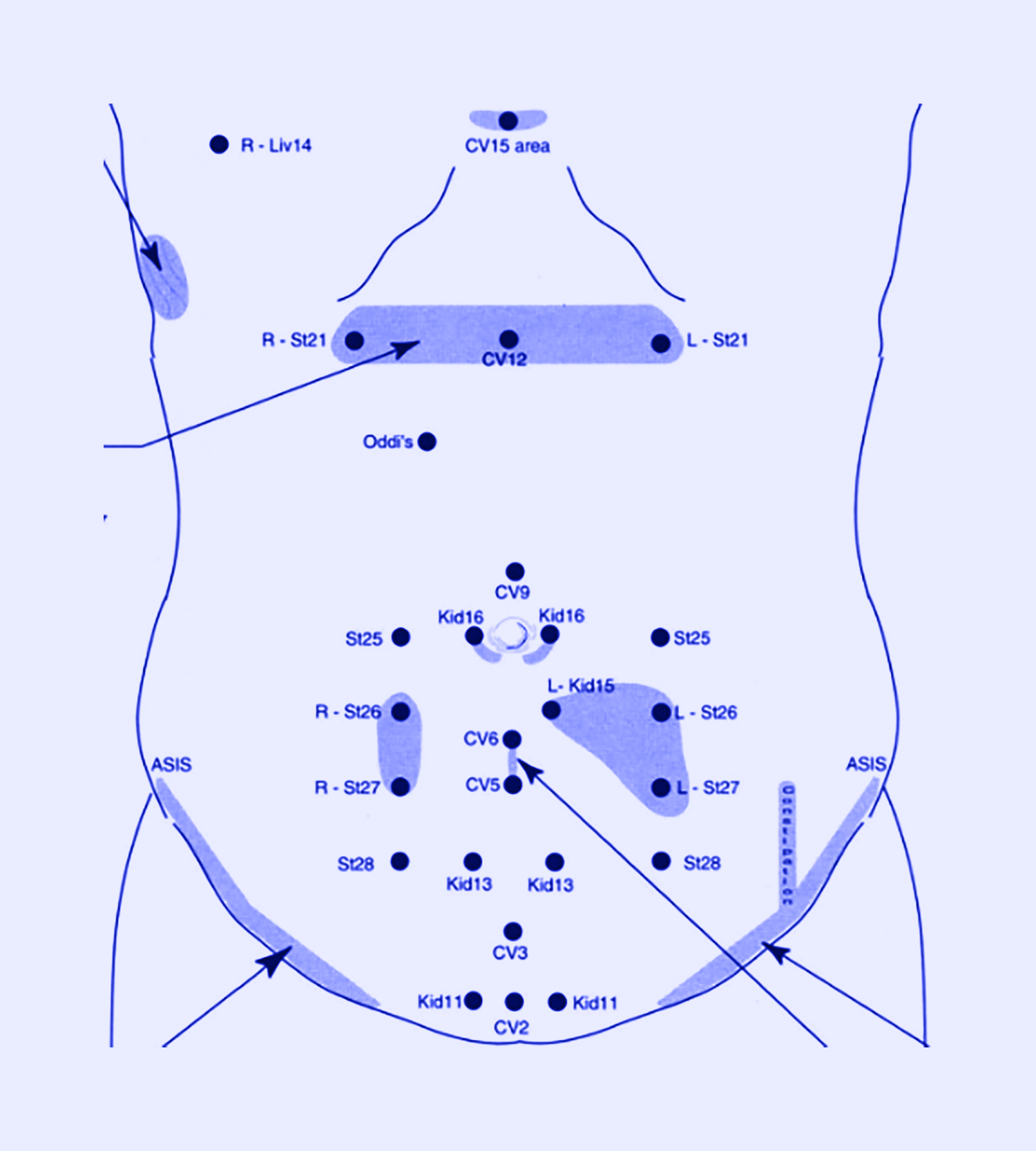
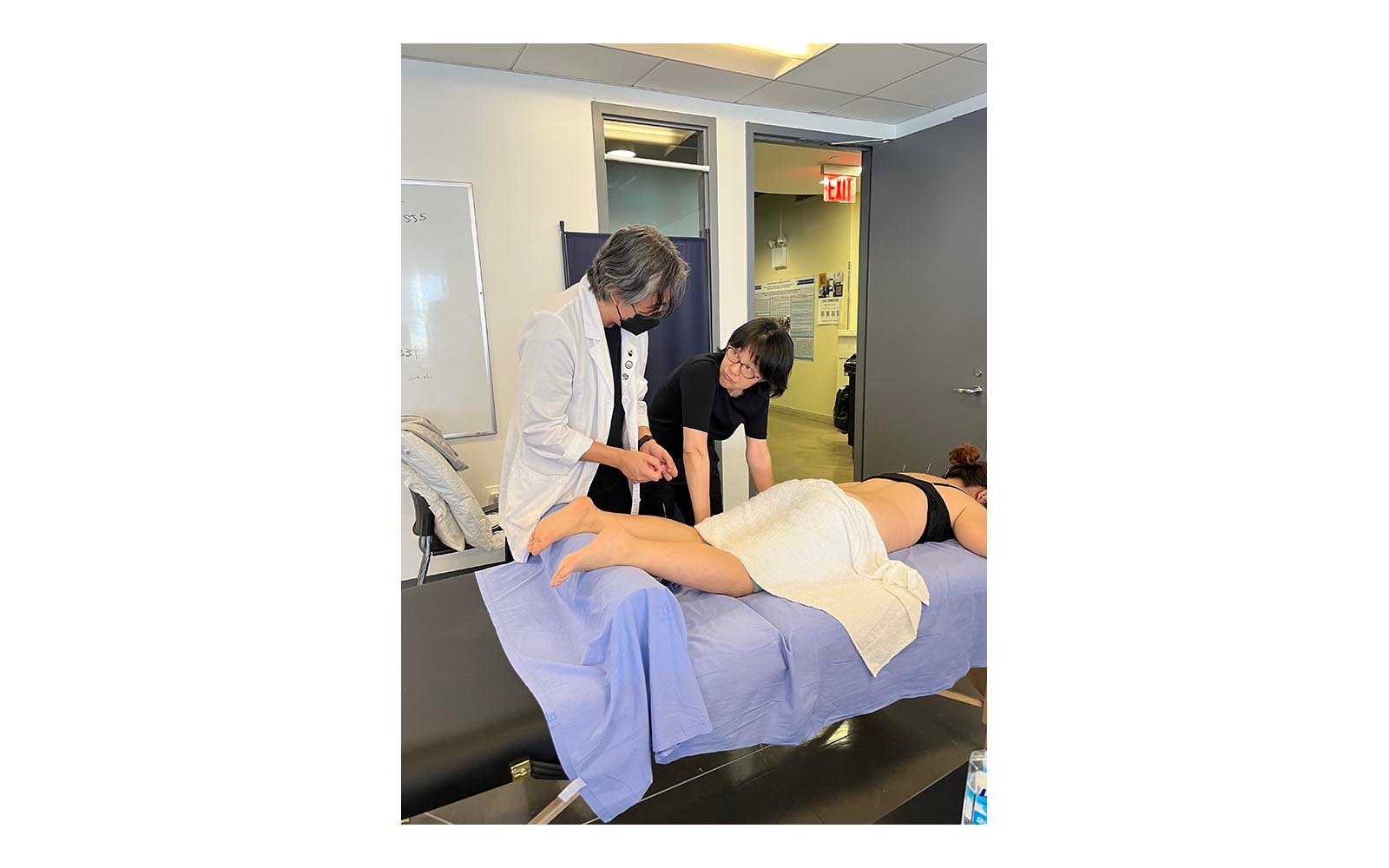
- Video demonstrations of hands-on methods and techniques
- Low Back Pain: clinical approaches utilizing basic, intermediate and advanced KMS methods to enhance your clinical outcomes
- Q&A- to get all your important questions answered- beginner, basic, intermediate and advanced questions will be answered.
The recording of this Webinar is now available as a free online course.
KMS Acupuncture has been continuing to evolve over the years as Kiiko Matsumoto refines and develops the treatment strategies that she has integrated as a result of her study with important Japanese acupuncture Masters, including Master Nagano, Master Kawai and Dr. Manaka.
V has had the unique opportunity of studying, working, and teaching with Ms. Matsumoto for more than 20 years in the US, and has dedicated himself to the practice and teaching of this clinically effective Acupuncture style.
V specializes in presenting the foundations of KMS acupuncture alongside Kiiko’s most up-to-date information in a highly structured and coherent manner, allowing attendees to maximise their understanding of KMS acupuncture and enabling them to apply it fluently within their practice on their first day back in clinic, for outstanding clinical results.
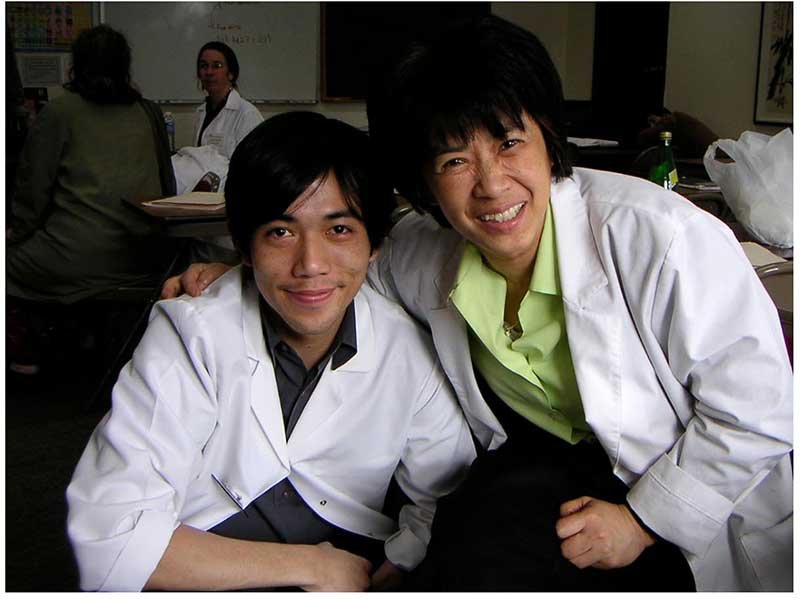
“V. is a wonderful teacher, highly skilled and has a great understanding of the Kiiko style of acupuncture. He has studied with me for years, and has spent a great deal of time gaining a thorough understanding of my own work.
I completely trust him to teach my material to students and am happy to have him on my team.”
– Master Acupuncturist Kiiko Matsumoto
Kiiko Matsumoto Style Acupuncture is characterised by:
- Diagnosis through palpation – instant feedback for patient and practitioner through touch.
- Holistic approach – addressing the entire person to get to the root of the problem.
- Japanese tradition – steeped in tradition, yet innovative.
- Classical texts – clinical application from the classics such as the Su Wen, Ling Shu and Nan Jing.
- Modern science – bridging the information of western medicine and anatomy with traditional eastern techniques.
- Eclectic methods – wide variety of methods tailored to each individual.
Benefits of Kiiko Matsumoto Style (KMS) Acupuncture:
- The palpatory diagnostic methods in this style of acupuncture offer the practitioner an instant measure as to the effectiveness of their treatment. Both the acupuncturist and the patient will have instant feedback as to how well the treatment is working because the same reflexes which are used to determine the best treatment for a patient are also the gauge by which the treatment can be assessed.
- Kiiko Style acupuncture offers a totally new way to look at patients. It combines classical Chinese medical principles with modern pathophysiology in a way that facilitates the understanding and brings out the best in both.
- Within the treatment methods used in KMS, there is a technique suitable for any patient. As a rule the needling methods are shallow and virtually painless, using the smallest gauge needles. However, for the patient for which needling is contraindicated, there are numerous non-invasive techniques that are highly effective. The use of diodes, magnets, and other techniques give the practitioner many options with which to treat the most difficult patient.
- In many ways, KMS acupuncture takes the practice of acupuncture from the ambiguous realm of theory into the direct experience of reality. There is no more wondering week after week if the points you are using for their supposed actions and effects will work for the diagnosis which seemed so plausible on paper. In this system “you treat what you feel”. If the reflex is not present, or if specific treatment points do not significantly change the reflex quality, then some other more viable treatment option must be found. Both the practitioner and the patient always have some immediate indication as to the effectiveness of the treatment.
An Inspirational Short Video with Kiiko Matsumoto Sensei:
“Conversation with a Master”
In this video, Kiiko Sensei covers some vitally important concepts regarding how it’s vitally important for us as acupuncturists to find the most effective acupuncture points for the individual that we are in fact treating in that moment.
If we use our skills to find the “Silver,” “Gold” or “Diamond” levels of acupuncture point indicated for that specific patient, then we can achieve amazing clinical results. Kiiko Sensei gives some examples of patient cases from her clinical practice to outline this concept.
Guided by the Chinese medicine classics, through the work of Kiiko Sensei’s own masters, and through her own tireless research on her patients in her clinical practice combined with teaching internationally, Kiiko uses her unique palpation diagnostics to find the relevant diagnostic zones and the most effective acupuncture points to use in all types of conditions encountered in the clinic. By gathering this unique information and sharing it internationally with her students and instructors, we continue to gather the most effective strategies to help in effectively treating our patients.
Attribution:
We would like to give thanks to Sam Audette, and Dr. Joseph Audette, M.D. from Acumed.org for providing access and usage of this wonderful video of Kiiko Matsumoto Sensei, alongwith a big thanks to Kiiko Matsumoto Sensei for sharing this wisdom.
Talking about Kiiko Matsumoto Style Acupuncture: Interview – Peter Scarselletti (Qiology) & Chamy Leung (Acuneeds)
About the Presenter
Vidhya Rojanavongse, L.Ac.
(International KMS Instructor)
Vidhya “V” Rojanavongse is a licensed acupuncturist based in New York City. He graduated from the Tri-State College of Acupuncture (TSCA) in 2005 and has been in private practice since. Upon graduating, he apprenticed directly with Kiiko Matsumoto (2005-present) assisting in her private practice, grand rounds, seminars and has taught by her side as a teaching assistant in student clinics and skills classes at TSCA. V is personally approved by Matsumoto sensei to teach her unique style of acupuncture.
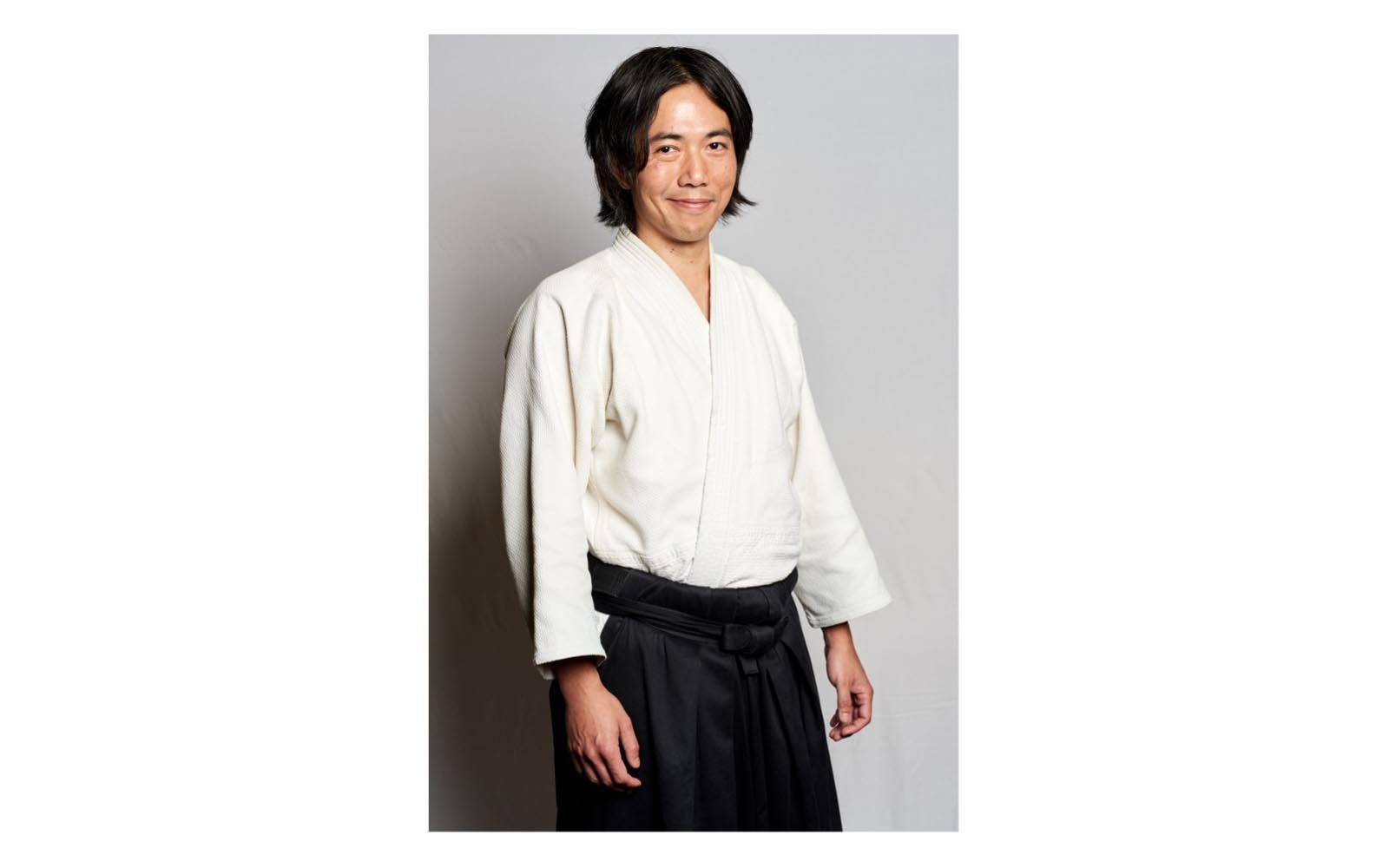
V has over 20 years of teaching experience beginning at TSCA (2005-2019) where he served as a lead clinical supervisor, grand rounds instructor and clinical skills instructor in Kiiko Matsumoto Style (KMS) acupuncture. Currently, he is a clinical supervisor at Pacific College of Health Sciences (2020-present) and teaches an elective in introductory and intermediate KMS acupuncture with a specialized student clinic in KMS. He was also a clinic supervisor at the New York College of Health Professions at Bellevue Hospital (2020-2023).
As a prolific instructor rounding out his knowledge and experiences, V is currently an adjunct lecturer in Human Anatomy and Physiology for the City University of New York (CUNY) at LaGuardia Community College (2005-present) and Hunter College School of Health Sciences (2013-present).
As a martial artist, V trains in aikido (1992-present) at the New York Aikikai. He has studied directly with the late Yoshimitsu Yamada sensei and the late Seiichi Sugano sensei, both of these great masters were direct students from the founder of aikido, Morihei Ueshiba. Currently, V holds the rank of Yondan (4th degree black belt) and is an instructor at the New York Aikikai. He has also started cross training in Eskrima and has experience in Brazilian Jujitsu.
As is required by National Law, we disclose that Vidhya Rojanavongse is not a registered health professional within Australia.
Testimonials:
“I had the opportunity to study with V. Rojanavongse, who provided a strong foundation in Kiiko Matsumoto-style acupuncture. His teaching style was clear and practical—he broke down complex material in a way that was easy to understand and apply. He emphasized the importance of precision in palpation, needling, and differential diagnosis, and took the time to guide us through hands-on practice. I learned a lot in his class and was able to incorporate the techniques into my clinical work. I would definitely recommend his course to other practitioners looking to deepen their diagnostic and treatment skills”.
– Rachel Liao, L.Ac. New York City, NY
“When I discovered KMS acupuncture, I knew it would have a profound impact on my skills as an acupuncturist. Seeing real-time results, rather than waiting until the patient’s next appointment, was refreshing after spending years learning other styles of acupuncture. It boosted my confidence as a practitioner and strengthened the trust patients had in acupuncture. I wouldn’t want to learn this style from anyone other than V, purely because of his discipline and commitment to teaching and maintaining the practice methods of his predecessors.”
-Davin Ramlogan, L.Ac. New York City, NY
“Vidhya Rojanavongse has been one of the most influential mentor and teacher in my life. His teaching of the Kiiko Mastumoto Style became one of the most prominent styles that shaped my healing art as an East Asian Medicine doctor as well as a Licensed Massage Therapist. I have learned under Vidhya R. for years because there are an endless depth of information and knowledge to learn. His style of teaching is very thorough, detailed, and very easy to understand. It provides the principles to establish a strong foundation in Kiiko Matsumoto Style. As a result, Kiiko Mastumoto Style has become one of my core styles, which helped countless people today. The style itself can be complex but thanks to Vidhya R., I was able to efficiently and effectively implement the style to my practice. Thank you, Vidhya!”
– Dr. Steven L. Nguyen, LAc, LMT, DAcCHM
“I was introduced to KMS when I was an intern in the student clinic. I had only been using TCM up to this point and was fascinated by the way this system uses palpation to diagnose and treat. Since I had not learned KMS previously, it was a struggle in the beginning to learn a whole new style of acupuncture, but V was patient and effective as a teacher, often drawing diagrams and explaining theory in a comprehensible way. I was so blown away by this system and his teaching style, that I returned to school after graduation to continue my education. I took all the classes that V taught and found his knowledge and notes invaluable. I continue to refer to my notes to this day when treating patients”.
~ Mary Chiu, L.Ac.
“I feel incredibly fortunate to have studied under V. He is an exceptional teacher. Not only is he a kind and passionate educator, but he has a gift for clearly explaining complex concepts that are often left out of standard acupuncture curriculum. As a direct student of Kiiko Matsumoto, he carries forward a lineage of deep knowledge and clinical insight, always staying current with the latest developments in the field. His teachings are thoughtfully organized and practically applicable. Many of the techniques, non-needling tools and perspectives I learned from him continue to inform my daily clinical practice with effectiveness. His impact on my growth as a practitioner has been profound”.
-Yaeji Jenny Suh, L.Ac.
“Learning from Professor V is one of the most meaningful experiences I’ve had as an acupuncture student. He cares about us and expects excellence from both himself as a teacher and from us as students. Learning Kiiko style acupuncture from him, I have already felt the edge I have over other practitioners in the field. People who have had acupuncture ask what this style is because they are surprised by how quickly they see a direct change. I highly recommend any acupuncturist who wants to be a meaningful healer to learn from Professor V”.
-Mo
“I didn’t know what Kiiko Matsumoto Style (KMS) was at first. I just heard he was a great supervisor and was teaching something interesting, so I signed up. Then I saw him press on a painful spot, and then use a specific point to release it, and the pain just went away. Whatever he was doing clearly worked. I was hooked.
He teaches in a very hands-on, detailed way. He pays attention to everything, from needle angle to depth to gauge, and makes sure we are actually doing it right. We even had to practice rice moxa on ourselves until we stopped burning ourselves before we could use it on anyone else. Let’s just say we toasted ourselves a few times before earning that privilege.
He explains things in a way that helps theory, hands-on practice, and clinical thinking all click together. The way he treats patients with skill and integrity really set the tone for the whole shift. You can tell he really cares about the medicine and about helping students grow into solid practitioners. He creates a space where it feels okay to ask questions and learn by doing.
One of my biggest aha moments was when he explained the Earth element. I had always heard it was the center, but I never really got why. He explained it in a way that finally made it make sense. After that, every clinic shift felt like puzzle pieces falling into place. Learning KMS with him changed how I see patients and helped everything I was learning in school come together”.
-Christina Reyes
“I was fortunate to study Kiiko Matsumoto Style with V for two years and was lucky enough to be placed on his clinic shift each term I could. He is one of the most impactful teachers I’ve ever had. His clarity, structure, and deep knowledge created an environment that felt grounded and expansive. Professionalism, compassion, and humility were consistently modeled for us in the classroom and in the clinic. V showed us how to think like acupuncturists, how to carry ourselves with integrity, and how to meet our patients with care. I learned so much from him and I feel incredibly grateful to have been his student”.
-Kim Jernick
“V is one of the few teachers who single handedly changed the course of my life. From the moment I walked into his clinic, I was in awe, not just of what he was teaching, but how he was teaching it. His deep knowledge of Kiiko Matsumoto Style and his ability to translate complex concepts into hands-on understanding was something I knew I needed more of. I quickly shifted the rest of my master’s program to spend as much time as possible learning from him.
V didn’t just teach, he challenged me. At the time, it wasn’t always easy, but I now recognize how essential that challenge was in shaping me into the practitioner I am today. His mentorship gave me the confidence to graduate and immediately step into private practice on my own, something I never imagined I’d feel ready for.
I’m deeply grateful to have V as a teacher and mentor. His impact on my life and practice is something I’ll carry with me always”.
-Shannon Evans, Lac
“Learning KMS under Dr. V has been one of the true highlights of my four years in acupuncture school. Both his class and the opportunity to work with him in clinic have deeply shaped my understanding and appreciation of this incredible system. Some people are simply meant to teach, and Dr. V is one of them—he has a unique ability to make complex material accessible, engaging, and grounded in clinical relevance.
KMS was an entirely new style of acupuncture for me, and while it came with its challenges, Dr. V structured the course in such a thoughtful and digestible way that it never felt overwhelming. His depth of knowledge, precision in diagnosis and treatment, and calm, humble presence made every class and clinic shift feel like a masterclass. Observing him in the clinic—seeing the clarity of his thinking and the immediate impact of his treatments—has been nothing short of inspiring for me and, often, transformative for the patients.
Dr. V embodies both the spirit and the skill of a true healer and educator. I feel incredibly grateful to have studied with him and am excited for anyone who gets the opportunity to learn from him in the future”.
— Allyson Conner
The History of Kiiko Matsumoto Style (KMS) Acupuncture
Kiiko Matsumoto, Lic. Ac.

Founder of Kiiko Matsumoto Style of Acupuncture, Kiiko Matsumoto is internationally known for her scholarly work on acupuncture and interpretation of Chinese Classical texts.
Kiiko has published several fundamental texts on acupuncture in the U.S and is regularly publishing articles in the Ido-No-Nippon acupuncture magazine in Japan. She has also completed two video series for this company.
Kiiko is mostly known for her ability to integrate the work of very important Japanese acupuncture Masters among them Master Nagano, Master Kawai and Dr Manaka into a coherent, clinically effective style.
Kiiko is regularly teaching acupuncture around the world and in the U.S. Her vast clinical experience and powerful teaching style are her trademark. When she is not traveling or teaching, you can find her in her Newton Highlands, MA clinic where she has a loyal following of patients. She is sought after by patients for her unique treatment style.
More about “Kiiko Matsumoto Sensei”
…a living master
Kiiko Matsumoto is the founder of the Kiiko Matsumoto Style of Acupuncture and is considered to be a “living Master of Acupuncture”. She is well known for her ability to integrate the work of some of the most famous Japanese masters into her practice for the last three decades.
Her style of acupuncture focuses on treating the root cause with emphasis on the entire body rather than single symptoms. As a result, patients find Kiiko’s treatments to be effective and long lasting.
…gentle and effective practitioner
Kiiko Matsumoto’s dedication to her patient’s health is evident in her loyal patient base. She approaches each case with enthusiasm and extensive knowledge. Her style of acupuncture is effective in many different conditions because it focuses on the entire body and adjusts to meet the needs of each individual. Kiiko is well known for achieving incredible results while using the smallest gauge needles that are virtually painless. Many physicians refer their patients to her because they know that she can provide their clients with significant pain and symptom relief without the worry of side effects.
…a brilliant and dynamic teacher
Kiiko Matsumoto’s approach is taught in many acupuncture schools. She regularly teaches her style of acupuncture around the world and in the U.S. Her dedication to researching and understanding the Chinese medical classics makes her one of the authorities on the subject of acupuncture. She shares this knowledge with her patients in her clinic and with students around the world in her seminars. Kiiko’s passion for sharing her research makes her a popular and sought after teacher. Her students find her seminars to be practical, fun and dynamic.
As is required by National Law, we disclose that Kiiko Matsumoto is not a registered health professional within Australia.
Kiiko Matsumoto Style Acupuncture is characterised by:
- Diagnosis through palpation – instant feedback for patient and practitioner through touch.
- Holistic approach – addressing the entire person to get to the root of the problem.
- Japanese tradition – steeped in tradition, yet innovative.
- Classical texts – clinical application from the classics such as the Su Wen, Ling Shu and Nan Jing.
- Modern science – bridging the information of western medicine and anatomy with traditional eastern techniques.
- Eclectic methods – wide variety of methods tailored to each individual.
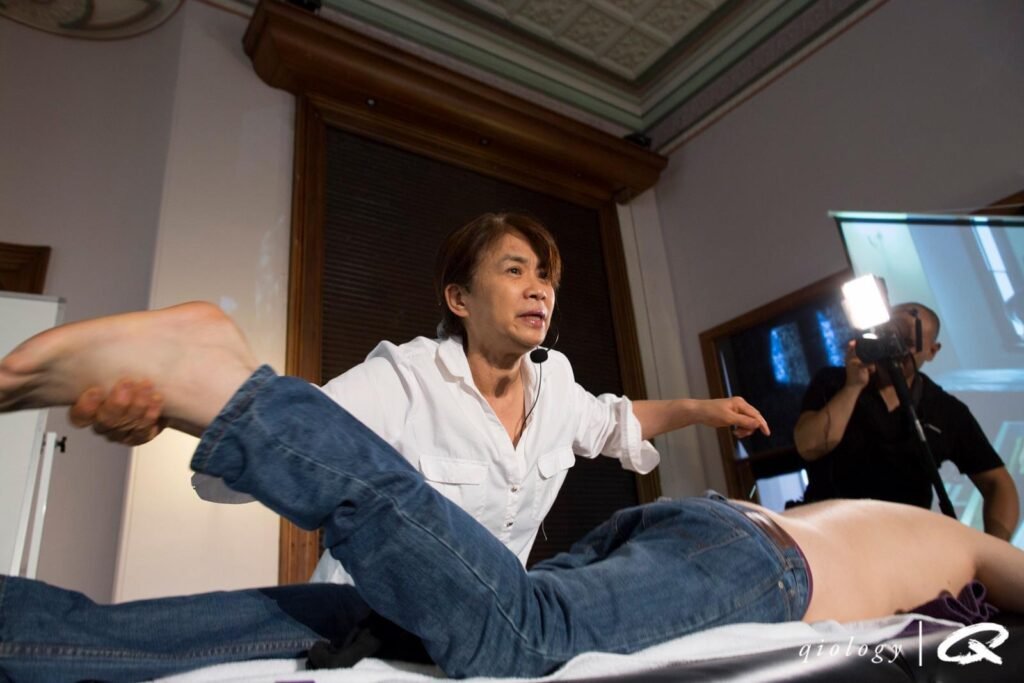
Kiyoshi Nagano Sensei

Who was Master Nagano?
In post-war Japan, Master Acupuncturist Kiyoshi Nagano began a remarkable and fruitful investigation. Despite being blind, Nagano memorized classical Chinese medicine literature and developed a unique and ingenious theoretical and clinical approach that incorporated classical concepts and emergent insights from Western medicine. His ideas and methods did not follow an established group, which brought a certain stigma in Japanese acupuncture circles. Being mentally robust, he was proud of his ‘lone wolf’ status. Over the next half a century – using his extraordinary palpation and pulse diagnosis skills as a guide – he crafted ingenious acupuncture protocols for all types of conditions. He also became a mentor to two of the most important Japanese acupuncture teachers of our time: Master Acupuncturist Kiiko Matsumoto and Tsuyoshi Shimamura. Master Nagano passed away in 2003
You may find acupuncturist outside of Japan, including the US, claim that they “follow Master Nagano” or that they are teaching his style.Their knowledge of his practice is limited to the information gathered through texts (as Master Nagano did not have any non-Japanese apprentices) and therefore leaves a lot of room for misinterpretation.In order to preserve his lineage, methods of diagnosing and treatments, Master Nagano gave his written permissionto Kiiko Matsumoto to teach his style in the West.
In Japan, a practitioner learns the medicine through experience. For hundreds of years students would learn this medicine through direct observation of a teacher in their clinic. In 1945 some of the first acupuncture schools began to emerge and students were formally taught in classrooms – this is sometimes referred to as the “Americanization of Acupuncture”. These students however, were required then, and still are today, to spend many hours following Master Acupuncturist in clinics.
All students of acupuncture in Japan commit hundreds of hours, observing thousands of treatments in their teacher’s clinics. This allows ample opportunity to learn every detail of the Mater’s style and ask questions. This type of apprenticeship is taken very seriously and is still an essential part of the acupuncture training culture in Japan.While in the West, someone may ask “which school did you attend for your acupuncture training?”, in Japan, the question is always “who is your teacher?“. Only those who have dedicated the time to following the Master Acupuncturist in their clinic can claim that he/she is “their teacher” and truly represent that Master’s style of practice.
KMS instructor approval criteria
There are many people that offer instructions or comments on KMS acupuncture. They have various degrees of understanding of Kiiko Sensei’s techniques and clinical approaches. In order to preserve a valid representation of this style as well as the legacy of Master Nagano, Kiiko Matsumoto has the following criteria for instructors of KMS acupuncture:
- someone who has practiced KMS acupuncture for a length of time
- someone who has apprenticed with Kiiko Matsumoto in her practice and closely observed her techniques
- someone who is constantly taking classes with Kiiko Sensei and expanding their knowledge.
- someone who has a clear understanding of the material both past and present
- someone who has personally been approved by Kiiko Matsumoto to teach the material
KMS acupuncture instructors must meet all of the above listed criteria.
The following individuals meet approval criteria:
Monika Kobylecka, Lisa McLoughlin, Neal Sirwinski, Grace Rollins, Holly Guzman, Andy Harop, Ran Kalif, Julie Lim Greif, Ana Nieves & Vidhya “V” Rojanavongse.
Plus KMS instructors at: Five Branches University, Eastern School of Acupuncture & AcuMed.